Showing posts with label Book Review. Show all posts

Tuesday, October 3, 2023

मुलांची आवडती जिरोनिमो स्टिल्टनची पुस्तके


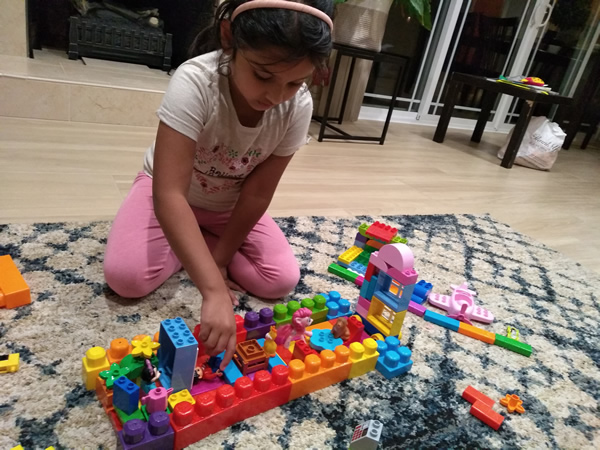
अमेरिकेत मुलाकडे रहात असताना माझा बहुतेक वेळ 8 वर्षाच्या नातीबरोबर, अस्मीबरोबर खेळण्यात जातो. तिच्याबरोबर खेळताना मी माझे वृद्धत्व विसरून जातो. तिचा उत्साह, नवीन काहीतरी करण्याची हौस आणि निरागस भावना मला माझे हरवलेले बालपण परत मिळवून देतात. तिच्या आवडीनिवडीवरून मला बालमानसशास्त्रही शिकायला मिळते.

मुलांवर मनोरंजनातून चांगले संस्कार करण्यासाठी खेळणी, पुस्तके, व्हिडीओ गेम एवढेच नव्हे तर प्रत्यक्ष अनुभवण्यासाठी वाल्ट डिस्नेसारखे काल्पनिक विश्व उभारणे हा अमेरिकेत फार मोठा व्यवसाय झाला आहे. मुलांना वाटणारे याचे आकर्षण आणि शिक्षणाकडे होणारे दुर्लक्ष याचा अनुभव मला 2003 मध्ये अमेरिकेत गेलो असताना आला होता. त्यावेळी मी याविषयी चिंता व्यक्त करणारा लेखही लिहिला होता. परंतु त्यानंतरच्या अनेक अमेरिका वारीत माझे मत बदलत गेले. य़ा मनोरंजक खेळणी व पुस्तकांमुळे मुले अधिक चौकस, धीट बनून  नकळत सभोवतालचे मोठ्यांचे जग, निसर्ग आणि भविष्यातील आव्हाने  याबाबतीत जागरूक व सक्षम होतात हे माझ्या लक्षात आले.

या दृष्टीकोनातून मी जेव्हा अस्मीची आवडती जिरोनिमो स्टिल्टनची पुस्तके पाहिली व वाचली तेव्हा लेखकाच्या कल्पनाशक्तीएवढीच पुस्तकातील चित्रांची मांडणी, छपाईतील वैविद्ध्य, रंगसंगती यांनी भारावून टाकले. वाल्ट डिस्नेप्रमाणेच या पुस्तकात उंदीर हा नायक असून सॅन फ्रॅन्सिस्कोसारखेच त्यांचे एक काल्पनिक विश्व लेखकाने मुलांपुढे उभे केले आहे. आपल्याकडील आरके लक्ष्मण यांच्या सामान्य माणसाच्या व्यक्तीरेखेप्रमाणे स्वतः लेखकच मुख्य पात्र बनून अनेक प्रसंगांना सामोरे जातो. प्रथम अपयश, उपेक्षा, अपमान यांचा सामना करीत शेवटी विजयी व सर्वश्रेष्ठ पद कसे मिळवितो हे मनोरंजक प्रसंगातून दाखवून जीवनात यशस्वी होण्याचे तत्वज्ञान मुलांच्या मनात रुजविण्यात लेखक यशस्वी झाला आहे.

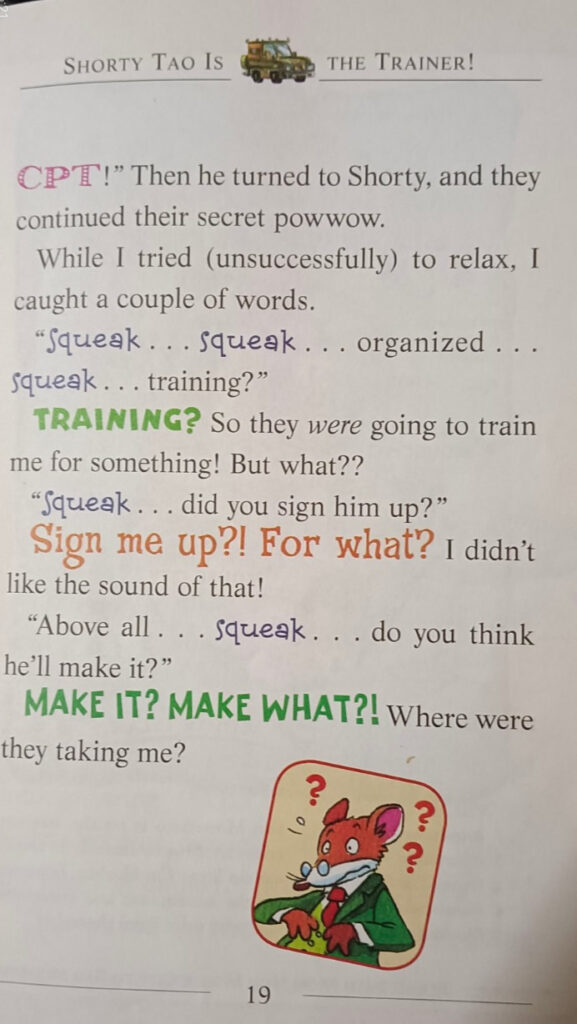
पुस्तकाचे मुखपृष्ठ गोष्टीतलाच एखादा प्रसंग चित्रित करते. कथेची सुरुवातच चित्तवेधक असते. अवघड शब्दांना मोठ्या ठळक अक्षरात दाखवून अर्थाप्रमाणे रंगीत वेडीवाकडी वळणे घेणारी वाक्ये, चित्रे यांनी पुस्तकाचे प्रत्येक पान सजलेले असते. साहजिकच मुलांना ही पुस्तके वाचायला आवडतात. कथानकही रोमहर्षक प्रसंगांची मालिकाच असते. वाचताना मुले रंगून जातात आणि नकळत शिकतही जातात.

आपल्याकडेही अशा पद्धतीने पुस्तके तयार केली तर शिक्षण हे ओझे न वाटता करमणुकीचा प्रकार वाटेल व मुले आनंदाने एरवी क्लिष्ट वाटणारे विषयही सहजगत्या शिकू शकतील.

सहासहा महिने आलटून पालटून भारत आणि अमेरिकेत रहायला मिळत असल्याने ज्ञानदीपच्या माध्यमातून चांगल्या गोष्टी व कल्पना यांची देवघेव करण्याची सुवर्ण संधी मला मिळाली आहे. माझ्या मुलीने मला ग्रीन कार्ड मिळवून दिले त्यामुळेच हे शक्य होत आहे. भारतातही मला वरच्या दर्जाच्या हुषार व श्रीमंत मुलांपेक्षा ग्रामीण भागातील अर्धवट शिक्षण झालेल्या व परिस्थितीने गांजलेल्या लहान मुलांच्यात हे परिवर्तन घडवून आणायचे आहे.

ज्ञानदीपचे कार्य त्यामुळेच मराठीतून आणि तळागाळातील जनतेपर्यंत पोहोचविण्याचे मुख्य उद्दिष्ट ठेवून सुरू आहे. ते पुढे सतत चालू राहण्यासाठी नव्या पिढीतील अशा जीव ओतून काम करणा-या युवक-युवतींची साथ मिळेल अशी मला आशा आहे.

Sunday, September 27, 2020

Sanskrit Deepika Book मराठी-संस्कृत शब्दकोश

ज्ञानदीपच्या विश्वस्त कै. सौ. शुभांगी रानडे यांना ६००० शब्दांचा समावेस असणारा मराठी-संस्कृत शब्दकोश संस्कृतदीपिका या नावाने पुस्तक स्वरुपात प्रसिद्ध केला आहे त्याचे पीडीएफ रुपांतर माहितीसाठी खाली दिले आहे.


ज्यांना हे पुस्तक डाऊनलोड करावयाचे असेल त्यानी ज्ञानदीपकडे आपला परिचय पीडीएफ स्वरुपात पाठवावा. 

https://dnyandeep.net या संकेतस्थळावर आपला परिचय प्रसिद्ध केला जाईल. 

ज्ञानदीपच्या http://sanskritdeepika.org या संकेतस्थळाला भेट द्यावी. 


 ज्ञानदीप फौंडेशनच्या कार्यात आपण सहभागी व्हावे. ही विनंती.


संपर्क इमेल - drsvranade@gmail.com


Thursday, June 30, 2011

'1984' by George Orwel (एकोणिसशे चौर्‍याऎंशी)


कम्युनिस्ट राजवटीविरोधात लिहिलेल्या Animal farm या कादंबरीनंतर जॉर्ज ऑर्वेलने लिहिलेली एकोणिसशे चौर्‍याऎंशी (1984) ही रुपकात्मक दुसरी कादंबरी त्याच्या मृत्युपूर्वी एक वर्ष अगोदर म्हणजे १९५० मध्ये प्रसिद्ध झाली व थोड्याच कालावधीत ती सार्‍या जगात लोकप्रिय ठरली. सत्ताधीश भविष्यामध्ये आधुनिक विज्ञान तंत्रज्ञानाच्या साहाय्याने व्यक्तीस्वातंत्र्याची कशी गळचेपी करतील व सामान्य माणसाला अगतिक व गुलाम बनवतील याचे विदारक दर्शन या कादंबरीत पहावयास मिळते.

सध्याच्या काळातही त्या कादंबरीत वर्णन केलेली स्थिती येण्याची भीती सामान्य माणसास भेडसावत आहे.

सर्व छोटी राष्ट्रे मोठ्या राष्ट्रांनी गिळंकृत केल्याने पृथ्वीवर ओशनिया, एस्टेशिया व युरेशिया ही तीनच बलाढ्य राष्ट्रे अस्तित्वात आहेत ( स्टॅलिन, मुसोलिनी व हिटलर या सत्ताधीशांचे प्रतीक) व ती एकमेकांशी संघर्ष करून आपापली राज्ये वाढविण्याचा प्रयत्न करीत आहेत अशी पार्श्वभूमी १९८४ मध्ये तयार होईल अशी कल्पना या कादंबरीत लेखकाने केली आहे. ही सर्व राष्ट्रे आपापल्या देशातील प्रत्येक नागरिकावर पाळत ठेवून सत्तेविरुद्ध क्रांती होणार नाही याची पुरेपूर दक्षता घेत आहे. या कादंबरीचा नायक विन्स्टन स्मिथ हा त्यातील ओशनिया या राष्ट्रातील सामान्य माणूस आहे. विन्स्टनला आपल्या देशाच्या एकाधिकारशाही जुलमी राजसत्तेविरुद्ध संघर्ष करावा असे वाटत असते. त्याच्या संघर्षाची कथा हे या कादंबरीचे मुख्य सूत्र आहे.

ओशनिया राज्यात बिगब्रदर ( दादा) या नावाने हा सत्ताधीश ओळखला जातो. ( आपण दादागिरी हा शब्द याच अर्थाने वापरतो.) न्यूस्पीक ही नवी भाषा व टेलीस्क्रीन यंत्रणा यांच्या माध्यमातून सर्व जनतेवर लक्ष ठेवण्याचेच नव्हे तर त्यांच्या विचारांना योग्य वळण देण्याचे काम या देशातील शासनाद्वारे केले जाते. राज्याची अधिकृत व सक्तीची भाषा न्यूस्पीक असून त्यात जुन्या पारंपरिक शब्दांऎवजी नवे शब्द वापरले जातात.

(Newspeak language applies different meanings to things by referencing the ends instead of their means; hence the Ministry of Peace ie Minipax deals with war, and the Ministry of Love ie Miniluv deals with torture. However the Ministries do attempt to achieve that goal; peace through war, and love of Big Brother through brainwashing and torture.)

प्रत्येक घरातील एक भिंत टेलीस्क्रीनची असून त्यातून बिगब्रदर प्रत्येक माणसाला शिक्षण देण्याचे ( व त्याच्या हालचालींवर व बोलण्यावर लक्ष ठेवण्याचे ) काम करतो.

विंन्स्टन जिन्यावरून आपल्या घरात प्रवेश करतो व भितीवरील टेलीस्क्रीनवर दिसणार्‍या बिगब्रदरला वंदन करतो पण आपला चेहर्‍यावरील हताशपणा बिगब्रदरच्या ध्यानात येऊ नये यासाठी आपले तोंड फिरवतो येथपासून कादंबरीची सुरुवात होते. त्याला एक ओब्रिएन नावाचा त्याच्यासारखाच क्रांतीकारी सहकारी भेटतो. लपून छपून त्यांचे एकत्र भेटण्याचे व स्वातंत्र्यास उत्सुक व्यक्तींना जोडण्याचे काम तो करीत असतो. सत्य हे केवळ माणसाच्या मनात असते अन्यत्र नाही हे त्या संघटनेचे ब्रीदवाक्य असते. आपण एकटे नाही या कल्पनेने विन्स्टन उत्साही होतो व संघटनेच्या कार्यात सहभागी होतो. जुलिया नावाच्या मुलीशी त्याचे प्रेम जमते. तो तिच्यापुढे आपल्या सर्व भावना व विचार प्रकट करतो. त्याच्या विचारांशी जुलिया सहमती व्यक्त करते.

यानंतर मात्र बिगब्रदरची यंत्रणा त्याला अटक करते तेव्हा त्याला कळते की त्याला भेटलेली सर्व माणसे व जुलियासुद्धा बिगब्रदरनेच तयार केलेल्या जाळ्यातर्फे नेमलेली असतात. त्याच्याविरुद्धचे सर्व पुरावे ओब्रिएन बिगब्रदरला सादर करतो. विन्स्टनच्या मनातील स्वातंत्र्याच्या विचारांची लागण इतरत्र होऊ नये म्हणून त्याचे मन शुद्धीकरणाचे प्रयोग त्याच्यावर केले जातात. तुरुंगातील छळामुळे तो बिगब्रदर सांगतो तेच सत्य हे नवे तत्व स्वीकारतो. त्याच्याकडून ते दिवसरात्र वदवून घेतले जाते. मात्र रात्री झोपेत असतानाचे त्याचे बोलणे मॉनिटर केल्यानंतर त्याच्या मनात अजून स्वातंत्र्याची आस शिल्लक आहे हे बिगब्रदरच्या यंत्रणेस लक्षात येते व त्याच्यावर आणखी प्रभावी उपाय करण्याचे ठरते.

त्याला उंदरांची फार भीती वाटते हे जुलियाकडून कळले असल्याने त्याच्या डोक्यावर उपाशी उंदरांचा पिंजरा ठेवला जातो. अशा प्रकारच्या शारिरिक व मानसिक यातना देऊन विन्स्टनचे पूर्ण शुद्धीकरण करण्यात येते व त्याची सुटका होते. एक आज्ञाधारक व बिगब्रदरचा निष्टावंत माणूस बनविण्याचे कार्य बिगब्रदरने केलेले असते.

विन्स्टन एका क्लबमध्ये बुद्धीबळाचा खेळ खेळत आहे. सर्व बाजूनी चेक बसल्याने तॊ आपला राजा पटाबाहेर उचलून ठेवतो या प्रसंगाने कादंबरीचा शेवट केला आहे.

ज्या काळात टेलिव्हिजन हा शब्दही लोकांना माहीत नव्हता त्या काळात केलेली टेलीस्क्रीनची कल्पना, न्यूस्पीक या मानसशास्त्रावर आधारलेल्या नव्या भाषेची योजना जॉर्ज ऑर्वेलची भविष्यवेधी कल्पनाशक्ती दाखवितात. त्याच्या याच कल्पनांचा रशिया, चीन व अमेरिकेने वापर करून जनमानसावर आपल्या विचारांचा कसा पगडा बसविला हे सर्वज्ञात आहे.

Thursday, May 19, 2011

जॉर्ज ऑर्वेलची रूपक कथा ‘अ‍ॅनिमल फार्म’


स्वतः समाजवादी असूनही रशियातील स्टॅलिन राजवटीतील विदारक सत्य लोकांसमोर आणण्यासाठी जॉर्ज ऑर्वेल या लेखकाने ‘अ‍ॅनिमल फार्म’ या नावाची रुपक कथा १९४३ मध्ये लिहिली. मात्र त्यावेळी रशिया नाझी जर्मनीच्या विरुद्ध असल्याने इंग्लंड, अमेरिकेत स्टॅलिनची राजवट लोकप्रिय होती व कोणीही ते पुस्तक छापण्यास तयार होईना. दुसर्‍या महायुद्धानंतर ते छापले गेले.

अ‍ॅनिमल फार्म ही कथा इंग्लंडमधील मिस्टर जोन्स नावाच्या शेतकर्‍याच्या फार्ममध्ये असणार्‍या प्राण्यांच्या क्रांतीविषयी आहे. या फार्ममध्ये गाई, घोडे, डुकरे, कुत्री असे अनेक प्राणी असतात. आपण कष्ट करतो पण आपला मालक आयता बसून खातो व आपल्यावर हुकुमत गाजवतो हे मनोर नावाचे वृद्ध रानटी डुक्कर सर्वांना सांगते व ही सत्ता झुगारून देऊन स्वातंत्र्य मिळविण्याचा सल्ला देते. त्याप्रमाणे सर्व प्राणी एकत्र होऊन मालकाला पिटाळून लावतात.

नेपोलियन नावाचे डुक्कर त्यांचा नेता बनते. पण तेही हुकुमशहासारखे वागून स्वतः चैन करते व पोलिस कुत्र्यांच्या मदतीने इतर सर्व प्राण्यांवर जुलूम करते. त्याच्या राजवटीची भलावण करत स्क्वीलर हे हुशार डुक्कर आपल्या प्रचार यंत्रणेचा वापर करून सर्व प्राण्यांना नेपोलियनच त्यांचा उद्धारकर्ता आहे व त्याच्याशी एकनिष्ठ राहण्यातच त्यांचे कसे हित आहे हे पटवून देते. सर्व प्राणी समान आहेत पण त्यातले काही प्राणी जास्त समान आहेत हे नवे तत्व उदयास येते.

मिस्टर जोन्स पुनः फार्मवर कबजा करण्यासाठी येतो त्यावेळी स्नोबॉल हे उदारमतवादी डुक्कर सर्व प्राण्यांना एकत्र करून तो प्रयत्न हाणून पाडते. मात्र स्नोबॉल आपल्याला प्रतिस्पर्धी होईल या भितीने नेपोलियन त्याच्या सुधारणांना विरोध करून त्याच्यामागे त्याचे कुत्री सोडून त्याला फार्ममधून पळवून लावतो. त्याची सत्ता मग पूर्वीच्या स्थितीपेक्षाही अधिक वाईट आहे हे इतर प्राण्यांच्या लक्षात येते.

कथेचा शेवट फार मार्मिक केला आहे. नेपोलियन व त्याचे साथीदार दारु पीत व जुगार खेळत बसलेले इतर प्राण्यांना खिडकीतून दिसते. ही आपल्यातली डुकरे आहेत की पूर्वीच्या मालकाची माणसे आहेत असा त्यांना संभ्रम पडतो.

राज्य भांडवलशाही असो, साम्राज्यवादी असो वा समाजवादी विचारसरणीचे असो, राजकीय सत्तेतून भ्रष्टाचार कसा जन्माला येतो आणि खॊटे तत्वज्ञानही लोकांच्या गळ्यात उतरवण्यास भाषा व प्रचारयंत्रणा कशी साहाय्यभूत ठरते. हे या रुपकाचे सार आहे.

(Animal Farm’s commentary on the corruptive nature of political power and the power of language as a tool of ideology and control rings so true that it continues to play out in the political world as a sort of self-fulfilling prophecy.)

Wednesday, February 23, 2011

POET OF DEMOCRACY by Walt Whiteman

The old book (Poet of Democracy, A biography by Babette Deutshse )purchased by me long back on footpath, lying now in my old book treasure, caught my attention and I remembered immediately the joy and inspiration I got from those poems. I thought, how he upheld the necessity of Democracy in those days of aristocratic systems, and created a movement which led finally in birth of nation believing firmly in Democracy and freedom of thought. These thoughts have a great relevance in the present scenario of struggle for democracy in different countries and would prove to be inspiring.
I thought it fit to pass on some of the magnificent poems displaying great philosophical mind, for you to think over.WALT WHITEMAN

Excerpts from Preface
Go, dear friend, if need be give up all else,&
and commence to-day to inure yourself to pluck,
reality, self-esteem, definiteness, elevatedness,
Rest not till you rivet and publish yourself of your own Personality

These lines stirred me so that I started reading Whiteman from cover to cover,
---------------------------------------------------------------------------
( from Song of Myself )
Walt Whiteman, a kosmos, of Manhatten the son,
Turbulent, fleshy, sensual, eating, drinking, breeding.
No sentimentalist, no stander above men and women or apart from them. No more modest than immodest.
Unscrew the locks from the doors !

Unscrew the doors themselves from their jambs !

Whoever degrades another degrades me,

And whatever is done or said returns at last to me.

Through me the afflatus surging and surging, through me the current index.
I speak the pass-word primeval, I give the sign of democracy. 

By God ! I will accept nothing which cannot have their counterpart of on the same terms
-----------------------------------
I know I have the best of time and space, and was never measured and never will be measured.
I tramp a perpetual journey, (come listen all!)
My signs are a rain-proof coat, good shoes, and a staff cut from the woods,
No friend of mine takes his ease in my chair, I have no chair, no church, no philosophy,
I lead no man to a dinner-table, library, exchange, But each man and each woman of you I lead upon knoll,
My left hand hooking you round the waist, My right hand pointing to landscapes of continents and the public road.
Not I, not any one else can travel that road for you, You must travel it for yourself.
It is not far, it is within reach,
Perhaps you have been on it since you were born and did not know,
Perhaps it is everywhere on water and on land.
Shoulder your duds dear son, and I will mine, and let us hasten forth,
Wonderful cities and free nations we shall fetch as we go.

Tuesday, September 28, 2010

Work the system by Sam Carpenter

While surfing internet for tips on successful management, during my stay at Houston with my son two years back, I came across Sam Carpenter's "6 Steps to Working Less and Making More". I was impressed by the advice and signed up for his newsletter. I also wrote to him about my impressions about his forth coming book. He promptly replied me.

Since then, I was getting regular newsletters giving small real life stories explaining application of work the system method.


When I saw the cover of the book with gears, I remembered an incidence ten years back when my grandson Ketan was 4 years old. I was playing with him with him and just to inspire about how the toy works, I showed him a battery of gears in the broken toy train and explained him how one wheel moves other wheel and so on. He was so excited with the knowledge that he started running to everybody in the house and showing them how the wheels rotate as if he has invented it.

I feel that the same enthusiasm must have prompted Sam Carpenter to write the book ‘Work the system’ when he suddenly realized the system principles, when he thought objectively at his business failure.

When the book was released, I was in India and could not get the print copy, but was eager to read the book. Fortunately the author provided free download facility of the soft copy of book. I read some part casually and got really attracted to it in the topic titled `Gun to the head enlightenment’, where he narrated the experience in the night which turned his frustration due to business failure into sudden enlightenment of new inspiration after realizing negligence to simple small systems which created all problems. I liked it because I was also in similar state of mind was seriously thinking of closing down the show. His narration created a new hope in me. Without waiting to read all remaining book, I sent mail to express my thanks to him.

He found simple solution of analyzing the business as a combination of small systems, taking out wrong system and replacing it after correcting it with dramatic improvement in overall system performance. The classical theory of systems approach tells exactly this procedure. But very few business people can look to their business separating themselves from it and study it objectively. Even myself, a small business owner and who has taught systems approach to college students for many years forgot to apply it to my business. I congratulate Sam Carpenter for sharing his revelation and developing practical procedure for successful implementation of theory into practice.

Earlier to this change, Carpenter had struggled for years in vain to make his business of telephone answering service, Centrial, to run with success. By studying the business of taking an "outside and slightly elevated" point of view, he could identify reasons to the non working subsystems. To streamline and automate efficient working of business he developed methodology of defining Strategic objectives and elaborate operating and working procedures. He has given many examples to illustrate the points and emphasized that one can run the business successfully by working less, paying more salaries and to the satisfaction of customers, if simple work the system principles are followed.

Sunday, September 26, 2010

REWORK

Any new management book you open, you will find that authors refute the established principles of management and advocate new method or viewpoint in tackling management problems. However, if you examine the meaning of the message or hypothesis, you often find that the same old rules are presented in different form emphasizing a particular aspect.

When I heard from my nephew, Manish Ranade (Software engineer in Yahoo and the one who started his career with our Dnyandeep), that REWORK is a new revolutionary book on management and I must read it, I had the same presumption. But when I read the book, I found it radically different in message as well as presentation. The book is written by Jason Fried and David Heinemeier Hansson, who are founders of 37signals.com, a successful company with small workforce. They have given their secrets of success in this book.

The cover showed crumbled papers indicating frustration of using established management principles. There is a severe and straight forward attack on the popular and accepted methods of working, with point by point reasoning to expose the drawbacks and pitfalls in them. The presentation is concise with a picture to give strong message for each chapter.

Workaholism – The book starts with exposure of popular myth of late night working as effective way of working. Now a days, it has become a matter of prestige in many organizations, to work late night. People take pride and believe sincerely that they can do the job better if they work overnight for long hours at a stretch and keep struggling to get solution. Authors call it as addiction to wrong habit. They have rightly shown that in reality, working at night does not prove to be beneficial or more efficient than normal working.

Overworking simply creates intellectual laziness and mere brute force cannot solve the problem. You must have fresh mind to solve tricky problem or understand complex situation. results in inelegant solutions.

I entirely agree with authors. In our firm also people work late at night. It started when we took foreign project assignments and it was necessary to work at night for contacting foreign clients. However, habit of late night working continued and became way of working for all staff irrespective of necessity. This has disrupted their normal working cycle and routine office timing also creating communication problems for domestic clients. I hope that by reading the book, they will try to get rid of this habit and shift to normal routine unless conditions demand otherwise on some days.

Meetings are toxic – Meetings are considered as essential and effective for monitoring of the work, group discussion and planning for future action plan. Authors have pointed out many drawbacks in holding regular meetings. Waste of time, weak agenda, diversion of topic, unprepared ness of participants and no concrete outcome. I do not agree with authors on this point. No doubt, earlier meetings in our company were shrouded with such pit falls, I do not think, it proves ineffectiveness of meetings but cautions against bad meetings.

In my view, meetings give a unified approach and opportunity to find the problems faced by individual members and those created by improper communication between members. My earlier blog on Successful management by Teleconference shows the benefits of such meeting. The suggestions made by authors should be incorporated as regards the effective planning and conducting meetings.

I reiterate the points for good meeting in author’s words
• Set a timer. When it rings, meeting’s over.
• Invite as few people as possible.
• Always have a clear agenda.
• Begin with a specific problem.
• Meet at the site of the problem instead of a conference room. Point to real things and suggest real changes.
• End with a solution and make someone responsible for implementing it.

Pick a fight – Authors have shown that if companies take aggressive fight with opponents in advertisements, people get attracted and choose side. They become passionate, which helps in creating fans of your product or service. You can create opponent with your own earlier product also and show superiority of new one. This strategy is based on mob mentality and general interest of people in fight, sport or competition, where they can participate and enjoy in winning.

Planning is guessing – Authors are against long- term business planning. They equate it with fortune telling. According to them business and controlling environment are too complex and ever changing that makes planning a futile exercise. They cautioned that long term plans may bind the actions not appropriate with current situation. Instead, they advise flexible short term plan which is well definable and under control.

Underdo your competition- Instead of over preparation and spending to win over competition, authors advise to do less than your competitors and save on cost, make it more simple than more complex. They give example of bicycle and flip camera to show that simple design has retained its popularity in spite of many fancy modifications in design.

I liked the book and agreed to many points, but felt that they can be made supplemental and corrective rather than total denial of accepted methods of management. I recommend it for developing practical, adequate and effective methods of working under changing business scenario.

Thursday, September 23, 2010

The Art of Start ( Book Review)

The Art of Start
by Guy Kawasaki
A good book for new start ups. The author, Guy Kawasaki was the chief proponent and success catcher for Apple's Macintosh computer. He is founder and CEO of Garage Technology Ventures, a top successful company in Silicon valley. Based on his experience and idea implementation trials, he evolved many Do's and Don'ts for new start up companies and explained them in very simple and straight language, without jargon of management terminology.

He gives tips right from how the name of company be decided, how to develop a brand. He asserts that both microscopic and telescopic analysis of business scenario is needed to achieve success. The key to success is to survive the microscope tasks while bringing the future closer. But he is against too much study of management methods and advocates learning by doing rather than doing after learning.

Motivating the young entrepreneurs, he gives 5 great ideas, which help in building a successful business.

1. MAKE MEANING .
Your first task is to decide how you can make meaning. Meaning or reason of starting business is not getting money, power, or prestige. It is the desire to make the world a better place by improving efficiency, econmy, quality and comfort.It is also about correcting wrong system and protecting and preventing loss of good system.

2. MAKE MANTRA.
Do not write down mission statements. Instead, take your meaning and make a mantra
or magic motivator word phrase out of it. Mission statements do not evoke power and emotion that Mantra can achieve. Your Mantra will set your entire team on the right course.He gives example of the world’s shortest mantra as the single Hindi word Om.
He mentions five examples good mantra:
• Authentic athletic performance (Nike).
• Fun family entertainment (Disney).
• Rewarding everyday moments (Starbucks).
• Think (IBM).
• Winning is everything (Vince Lombardi’s Green Bay Packers).

3. GET GOING.
Instead of spending time in planning and documentation, think more about tools you use to build products and services.. Start creating and delivering your product or service.

4. DEFINE YOUR BUSINESS MODEL.
No matter what kind of organization you’re starting, you have to figure out a way to make money. The greatest idea, technology, product, or service is short-lived without a sustainable business model.

5. WEAVE A MAT (Milestones, Assumptions, and Tasks).
Finally, decide the milestones in progress of project, jot down the basic assumptions that are built into your business model and list the tasks you need to accomplish to create an organization.

I feel that the steps as suggested by Guy Kawasaki, provide simple guidelines for entrepreneurs confused by complex management theories being advocated by experts and conditions to be evaluated at the start of business.

Winners Take All (Book review)

Winners Take All (Book review)-
The 9 Fundamental Rules of High Tech Strategy by Tony Seba
Author who is professor of Stanford University and advisor to many top notch companies in Silicon valley has analysed the strategies used by successful industries and listed 9 rules.

Rule 1 - Feel the Pain. then Develop Your product.
Rule 2 - Focus, Win, Grow, Repeat.
Rule 3 - Add Value Not Features.
Rule 4 - Have a Story. Communicate It Clearly.
Rule 5 - It's a risky world. Sell Confidence!
Rule 6 Convert Champions Not deals.
Rule 7 - Choose the right partners. manage them with clarity.
Rule 8 - Design Products and Services that are easy to adopt.
Rule 9 - You are Well. Congratulations. Now change or Die.
These methodsare common to successful companies like Google, Craigslist, Symantec, Netflix, Salesforce.com, and Apple.

विनर्स टेक ऑल - लेखक - टोनी सेबा
यशस्वी आधुनिक व्यवस्थापनाचे नवे नियम
स्टॅन्फोर्ड विद्यापिठातील प्राध्यापक व कॅलिफोर्नियातील मोठ्या कंपन्याचे सल्लागार टोनी सेबा यांनी हे पुस्तक लिहिले आहे. सध्याच्या आधुनिक तंत्रविज्ञानाच्या व तीव्र स्पर्धेच्या युगात यशस्वी झालेल्या गुगल, क्रेगलिस्ट,सिमॅंटेक, नेटफ़िक्स या उद्योगांनी कोणत्या व्यवस्थापनपद्धती वापरल्या याचा अभ्यास करून आधुनिक व्यवस्थापनाचे खालील नऊ नियम सुचविले आहेत.
१. अपेक्षित ग्राहकवर्गाला सध्या येणार्‍या अडचणींचा शोध घॆऊन त्यावर प्रभावी उपाय ठरणार्‍या वस्तू वा सुविधेचे संकल्पन व उत्पादन करा.
२. त्या वस्तू वा सुविधेवर लक्ष केंद्रित करून ग्राहकांना आकर्षित करा, उत्पादन संख्या वाढवून त्यात गुणवत्तावाढ व बचत करा.
३. वस्तूच्या बाह्यांगात सुधारणा करण्यापेक्षा वस्तूच्या उपयुक्ततेत भर घाला.
४. सुविधेबाबत कथानक तयार करा व त्याचा प्रसार करा.
५. या धकाधकीच्या जीवनातील भीती घालवून ग्राहकांच्या मनात आत्मविश्वास निर्माण करा.
६. तडजोडीपेक्षा सन्मानपूर्ण व्यवहार करा.
७. योग्य सहकारी निवडा त्यांच्याशी स्पष्ट संबंध ठेवा.
८. वापरण्यास सुलभ अशा वस्तू वा सुविधांचे उत्पादन करा.
९. तुमचा व्यवसाय उत्तम चालला आहे. अभिनंदन. पण आता त्यात नवीन बदल करा अन्यथा नुकसानीस सामोरे जाल.
वरील नियम वापरल्यास सध्याच्या तीव्र स्पर्धेच्या युगात उद्योग आपली प्रगती वेगाने करू शकतील व यशस्वी होतील असे लेखकाचे मत आहे.

Monday, September 13, 2010

Leading Change - Kotter ( Book Review)

Leading Change [Hardcover]
John P. Kotter, Harvard Business School professor
Harvard Business Press; 1st edition (January 15, 1996)

I am always on lookout for reading books by business leaders from Harvard school. So when I got the book, I read it thoroughly to see whether I find solutions to problems faced by me in running my business i. e. Dnyandeep Infotech.

John P. Kotter studied over hundred companies and found that the companies are always trying to make fundamental changes in how business is conducted in order to help cope with a new, more challenging market environment. The lessons that can be drawn are interesting and will probably be relevant to even other organisations.

Successful initiatives -
1. Establishing persistant sense of urgency. A high sense of urgency rate helps enormously in completing all the stages os a transformation process. It requires effective performance evaluation system

2. Forming a powerful guiding coalition - Encouraging the group to work together as a team and provide enough power to lead change

3. Creating a vision which is imaginable, desirable, feasible, more focussed, flexible and communicable in simple language

4. Effective communication- using every vehicle possible to communicate the new vision and strategies to workers. Language should be simple and easy to understand, analogy and example should be given. Generally ideas sink in deeply only after they have been heard many times.

5. Empowering others to act on the vision by getting rid of obstancles to change and encouraging risk taking and nontraditional ideas, activities, and actions

6. Planning for and creating short-term wins, visible performance improvements and rewarding employees involved in the improvements.

7. Consolidating improvements and producing still more change

8.Institutionalizing new approaches and establishing connections between the new behaviors and corporate success

Critical mistakes:
Out of 8 mistakes mentioned by him , I think that foloowing four are more crucial.

1. Not establishing enough sense of urgency - A transformation program requires the aggressive cooperation of many individuals. Without motivation, people won't help and the effort goes nowhere.

2. Not creating a powerful guiding coalition - Companies that fail in this phase usually underestimate the difficulties of producing change and thus the importance of a powerful quiding coalition.

3. Lacking a vision - Without a sensible vision, a transformation effort can easily dissolve into a list of confusing and incompatible projects that can take the organization in the wrong direction or nowhere at all.

4. Not creating short-term wins - In a successful transformation, managers actively look for ways to obtain clear performance improvements, establish goals in the yearly planning system, achieve the objectives, and reward the people involved with recognition, promotions, and even money.

He has commented on mental habits of leadership that support lifelong learning
1 Risk taking - Willingness to push oneself out of comfort zones
2. Humble self reflection - Honest assessment of successes and failures, especially later.
3. Solicitation of opinion - Aggressive collection of information and ideas from others.
4. Careful listening - Patience to listen to others.
5. Openness to new ideas. Willingness to view life with an open mind

In general, I found that he gave more importance to clear vision, effective communication, Sense of urgency and risk taking attitude of leadership that achieves desired change in organisation. Now I shall try to implement his suggestions to see its impact on my business.

Thursday, July 15, 2010

A Good Reference Book on Business Management

I happened to visit Santa Clara County Library during my stay with my daughter. As I was always on lookout of latest good management books, I searched the section of New Book Arrivals. Within no time, my search ended. I got the book which gave book reviews of many best titles in business management i.e.

The 100 Best Business Books of All time’
by
Jack Covert and Todd Satterstein

I was glad that some of my favorite books which taught me a lot in managing and transforming a ‘struggling for survival company’ into ‘a firm aspiring for growth and maturity’ were included in the collection.

The website devoted for marketing this book www.100bestbiz.com gives a category-wise list of all books. The site also gives a PDF of book reviews which can be used as supplement to the list.

I do not know whether the book is available in India. Hence for the convenience of students of management and knowledge thirsty managers, I am reproducing list as below.

The books, I read, form a very small part in list and came to know about other important books I should read. I was delighted to find concise summary of the books worth reading selected by management experts from thousands of books available in the market.. Each book review also brings out the main message or word of advice in BOLD TYPE.

The book is not for casual readers or of temporary reading material. It is full of serious thinking and analysis of management problems and solutions found by CEOs of well known businesses. The book will serve as an excellent reference book for libraries of management training institutes as well as professionals and small businesses who can’t afford to have all the books in their own libraries.

I congratulate the authors for doing a wonderful job of compiling essentials from selected best management books and inspiring readers to read those books in detail. The publisher also deserve thanks for bringing out the book in attractive and effective readable format.

I would expect that authors would come out with similar book on Information Technology, which has greatest influence on world economy.

----------------BOOK LIST---------------------------------
You (Improving your life, your person and your strengths.)
1. Flow by Mihaly Csikzentmihalyi
2. Getting Things Done by David Allen (also available in CD and audio)
3. The Effective Executive by Peter Drucker
4. How to Be a Star at Work by Robert E. Kelley
5. The 7 Habits of Highly Effective People by Stephen R. Covey (also available in audio)
6. How to Win Friends & Influence People by Dale Carnegie (also available in audio)
7. Swim with the Sharks Without Being Eaten Alive by Harvey B. Mackay
8. The Power of Intuition by Gary Klein
9. What Should I Do with My Life? by Po Bronson (also available in audio)
10. Oh, the Places You’ll Go by Dr. Seuss/Theodore Geisel (also available in audio)
11. Chasing Daylight by Eugene O'Kelly
- - - - - - - - -
Leadership (Inspiration. Challenge. Courage. Change)
12. On Becoming a Leader by Warren Bennis
13. The Leadership Moment by Michael Useem
14. The Leadership Challenge by James M. Kouzes and Barry Z. Posner (also available in CD)
15. Leadership Is an Art by Max De Pree (also available in CD and audio)
16. The Radical Leap by Steve Farber
17. Control Your Destiny or Someone Else Will by Tichy and Sherman (also available in CD)
18. Leading Change by John P. Kotter (also available in CD and audio)
19. Questions of Character by Joseph L. Badaracco, Jr.
20. The Story Factor by Annette Simmons
21. Never Give In! Speeches by Winston Churchill (also available in audio)
- - - - - - - - -
Strategy (Eight organizational blueprints from which to draft your own.)
22. In Search of Excellence by Thomas J. Peters and Robert H. Waterman, Jr.
23. Good to Great by Jim Collins
24. The Innovator’s Dilemma by Clayton M. Christensen (also available in audio)
25. Only the Paranoid Survive by Andrew S. Grove
26. Who Says Elephants Can’t Dance? by Louis V. Gerstner, Jr. (also available in audio)
27. Discovering the Soul of Service by Leonard Berry
28. Execution by Larry Bossidy and Ram Charan (also available in CD and audio)
29. Competing for the Future by Gary Hamel and C. K. Prahalad
- - - - - - - - -
Sales and Marketing (Approaches and pitfalls in the ongoing process of creating customers.)
30. New Brand World by Scott Bedbury with Stephen Fenichell
31. Selling the Invisible by Harry Beckwith (also available in CD and audio)
32. Zag by Marty Neumeier
33. Crossing the Chasm by Geoffrey A. Moore
34. Secrets of Influence by Robert B. Cialdini, PhD
35. Positioning by Al Ries and Jack Trout
36. A Closing the Sale by Zig Ziglar (also available in CD and audio)
37. How to Become a Rainmaker by Jeffrey J. Fox (also available in CD and audio)
38. Why We Buy by Paco Underhill (also available in audio)
39. The Experience Economy by B. Joseph Pine II and James H. Gilmore (also available in audio)
40. Purple Cow by Seth Godin (also available in audio)
41. The Tipping Point by Malcolm Gladwell (also available in CD and audio)
- - - - - - - - -
Rules and Scorekeeping (The all-important numbers behind the game.)
42. Naked Economics by Charles Wheelan
43. Financial Intelligence by Karen Berman and Joe Knight
44. The Balanced Scorecard by Robert S. Kaplan and David P. Norton
- - - - - - - - -
Management (Guiding and directing the people around you)
45. The Essential Drucker by Peter Drucker
46. Out of the Crisis by W. Edwards Deming
47. Toyota Production System by Taiichi Ohno (also available in CD)
48. Reengineering the Corporation by Michael Hammer and James Champy
49. The Goal by Eliyahu M. Goldratt and Jeff Cox (also available in CD and audio)
50. The Great Game of Business by Jack Stack with Bo Burlingham
51. First, Break all the Rules by Marcus Buckingham and Curt Coffman (also available in CD)
52. Now, Discover Your Strengths by Buckingham and Clifton (also available in CD)
53. The Knowing-Doing Gap by Jeffrey Pfeffer and Robert I. Sutton
54. The Five Dysfunctions of a Team by Patrick Lencioni (also available in audio)
55. Six Thinking Hats by Edward De Bono
- - - - - - - - -
Biographies
(Seven lives. Unlimited lessons.)
56. Titan by Ron Chernow
57. My Years with General Motors by Alfred P. Sloan, Jr.
58. The HP Way by David Packard
59. Personal History by Katharine Graham
60. Moments of Truth by Jan Carlzon
61. Sam Walton: Made in America by Sam Walton with John Huey
62. Losing My Virginity by Richard Branson
- - - - - - - - -
Entrepreneurship
(Seven guides to the passion and practicality necessary for any new venture.)
63. The Art of the Start by Guy Kawasaki (also available in CD and audio)
64. The E-Myth Revisited by Michael E. Gerber (also available in CD and audio)
65. The Republic of Tea ** by Mel Ziegler, Patricia Ziegler, and Bill Rosenzweig
66. The Partnership Charter by David Gage
67. Growing a Business by Paul Hawken
68. Guerrilla Marketing by Jay Conrad Levinson (also available audio)
69. The Monk and the Riddle Randy Komisar with Kent Lineback
- - - - - - - - -
Narratives(Six industry tales of both fortune and failure.)
70. McDonald’s: Behind the Arches by John F. Love
71. American Steel ** by Richard Preston
72. The Force by David Dorsey
73. The Smartest Guys in the Room by Bethany McLean and Peter Elkind
74. When Genius Failed by Roger Lowenstein
75. Moneyball by Michael Lewis (also available in audio)
- - - - - - - - -
Innovation & Creativity(Insight into the process of developing new ideas.)
76. Orbiting the Giant Hairball by Gordon MacKenzie
77. The Art of Innovation by Tom Kelley with Jonathan Littman (also available in audio)
78. Jump Start Your Business Brain by Doug Hall
79. A Whack on the Side of the Head by Roger Von Oech
80. The Creative Habit by Twyla Tharp
81. The Art of Possibility by Rosamund Stone Zander and Benjamin Zander
- - - - - - - - -
Big Ideas (The future of business books lies here).
82. The Age of Unreason by Charles Handy
83. Out of Control by Kevin Kelly
84. The Rise of the Creative Class by Richard Florida
85. Emotional Intelligence by Daniel Goleman (also available in CD and audio)
86. Driven by Paul R. Lawrence and Nitin Nohria
87. To Engineer is Human by Henry Petroski
88. The Wisdom of Crowds by James Surowiecki (also available in audio)
89. Made to Stick by Chip Heath and Dan Heath (also available in CD and audio)
- - - - - - - -
Takeaways (What everyone is looking for.)
90. The First 90 Days by Michael Watkins (also available in CD and audio)
91. Up the Organization by Robert Townsend
92. Beyond the Core by Chris Zook
93. Little Red Book of Selling by Jeffrey Gitomer (also available in CD and audio)
94. What the CEO Wants You to Know by Ram Charan
95. The Team Handbook by Peter Scholtes, Brian Joiner, and Barbara Streibel
96. A Business and Its Belief by Thomas J. Watson, Jr.
97. Lucky or Smart? by Bo Peabody (also available in audio)
98. The Lexus and the Olive Tree by Thomas L. Friedman (also available in CD and audio)
99. Thinker toys by Michael Michalko
100. More Than You Know by Michael J. Mauboussin

Wednesday, July 7, 2010

The world is not flat


Recently I read the book 'The world is flat' by Thomas Friedman, Winner of Pulitzer Prize for three times.
I liked the book, mainly because it discussed the controversial issue of outsourcing which has been subject of my study for long time. I have been reading the books indicating the economic revolution IT sector is making in the world and indian economy since 2000, when I established Dnyandeep Infotech company in sheer enthusiasm of getting advantage of phenominal growth in IT sector.

George Orwel's '1984', Alwin Toffler's 'Future shock' and 'Third wave',Bill Gate's 'World at speed of thought' had given me enough strength to plung in the new IT wave. 'Silicon Valley Greats'by Kshatriya showed the pioneering efforts done by Indian Entrepreuners in IT development.

The book 'World is flat' showed brighter side of changes occuring due to sudden surge in outsourcing and discussed its impact on America, India and China.The author visited 'Infosys' in Bangalore, interviewed top brass officials analysed the progress made by China in production and India in supply of technical manpower and predicted that the forces of economy and advancement in ease of communication will crush all barriers raised by advanced countries for free flow of products and services and the world economy will be flattened. He gave many examples of overall economy and growth achieved by such outsourcing of services and production not only in the supplyer country but outsourcing country as well.

In the first reading, I was very much impressed by the analysis and predictions done by the author and felt that this flattening effect also will occur at local level within a country and possibly small infotech firms located at remote places will get boost and it will have beneficial impact of employment generation in rural area, reduction in urbanisation and progress towards green habitat.

However, after introspection and considering the real life experience in the IT business, I revealed that the barriers to stop flattening are too strong and are continuously being reinforced by corporate sector and governemt machinery to such a level that outsourcing only creates other protected castle hills rather than flat ground.

In India, atleast, the picture is far from flat world envisaged by author of the above mentioned book. Satyam suprimo, Raju had a dream of outsourcing his projects to rural area, but he messed up the company trying to save corporate image. TCS, Infosys and Wipro are trying to expand their empire by recruiting people in thousands to work in their lavish palace like offices in urban centres. Government, though serious about improving rural economy and employment generation is actually supporting corporates to handle all IT business. Small IT jobs of software and web technology available in rural and semiurban areas also are being grabbed by software corporate giants leaving the local small businesses with no choice but to survive on training classes.
In our case, our small company located in Sangli, a small town,had designed website of Kolhapur Corporation and we were hoping to replicate the exercise and expand out activities. Suddenly one day, it was learned that the job has gone to HCL corporate. Even the job of small municipality like Islampur was snatched from us by some such agency. There are number of such exaples in other fields also where Government machinery is used tacticlly by big corporates to grab such small jobs available in large numbers all over India. The impact is similar to malls taking over small shops. Educational institutes flourishing at all places are only producing feed for corporate companies.

In America, Australia and Europe, the Indians are under great pressure of resentment from local population, job insecurity and increased financial problems. Blogs in media by these people reveal that they are afraid of unemployment due to outsourcing being done by their company to their own country, India. They are becoming sceptical about the advantages and prospeity being enjoyed by their counterparts in India.

Many are thinking of of returning back to India and join such lucrative local IT corporates. But very few consider the real potential of economy and happiness in their native places. If such people return and transform their living places in India to prosperity by using skills of modern communication and global business ideas, then only we can say that world is becoming flat.

In the present circumstances of selfishness and greed of persons,corporates and countries this does not seem possible.

Friday, June 19, 2009

सिलिकॉन व्हॅली ग्रेटस्‌ - पुस्तक परिचय

सिलिकॉन व्हॅली ग्रेटस्‌ - पुस्तक परिचय
लेखक - एस. एस. क्षत्रिय
विकास पब्लिशिंग हाउस प्रा. लि.

आय. टी. क्षेत्रात नाव मिळविलेल्या यशस्वी उद्योजकांचे फोटो व माहिती असणारे ‘सिलिकॉन व्हॅली ग्रेटस्‌’ हे पुस्तक बंगलोरला फोरममध्ये पाहिले. कुतुहलाने पुस्तक चाळले तेव्हा त्यात बंगलोर व सिलिकॉन व्हॅली यांची तुलना केलेली व दोन्ही ठिकाणच्या आय. टी. उद्योजकांच्या प्रत्यक्ष मुलाखती घेऊन माहिती लिहिलेली आढळली.

मी सिलिकॉन व्हॅलीमध्ये नुकताच जाऊन आलो होतो. तेथील वैभव पाहून माझे डॊळे दिपून गेले होते. सिलिकॉन व्हॅलीला हे वैभव मिळवून दॆण्यात भारतीयांचा महत्वाचा वाटा आहे हे ऎकल्याने मी मनोमन सुखावलो होतो. टेक म्युझियममध्ये ‘सुहास पाटील’ हे नाव कोरलेले पाहिल्यावर माझी छाती अभिमानाने भरून आली होती. आय. टी. उद्योगाची पंढरी असणार्‍या स्टॅन्फोर्ड युनिव्हर्सिटीला भेट दिल्यावर तर मी भक्तीभावाने तेथील दगडगोटे सिलिकॉन चिप मानून घरी घेऊन आलो होतो. भारतात परतल्यानंतर आमच्या ज्ञानदीपच्या भावी संगणक तज्ञांना त्यातील एक एक दगड देऊन तो देवात ठेवण्यास सांगितले होते व तुम्ही सर्वांनी सिलिकॉन व्हॅलीत जाऊन यश मिळवायची खूणगाठ बांधा असे सुचविले होते. साहजिकच ‘सिलिकॉन व्हॅली’ हे नाव वाचताच मी ते पुस्तक विकत घेतले.

अमेरिकेच्या पश्चिम किनारपट्टीवर असणार्‍या कॅलिफोर्निया राज्यातील सॅन फ्रॅन्सिस्को ते सॅन ओसे पर्यंतच्या दहा मैल रुंदीच्या व ३० मैल लांबीचा प्रदेशास ‘सिलिकॉन व्हॅली’ असे म्हणतात. तेथे माहिती तंत्रज्ञान क्षेत्रात ज्या गतीने प्रगती झाली व नव्या कंपन्या उदयास आल्या, त्याचीच पुनरावृत्ती भारतात बंगलोरमध्ये पहावयास मिळाली. त्यामुळे लेखकाने बंगलोरला भारतातील सिलिकॉन व्हॅली म्हटले आहे. पुस्तकाच्या प्रस्तावनेत सिलिकॉन व्हॅली व बंगलोरविषयी माहिती व भारतीयांच्या सिलिकॉन व्हॅलीमधील वास्तव्य व टेक्नॉलॉजीमधील प्रगतीचा आढावा घेण्यात आला आहे व मुख्य भागात नऊ उद्योजकांची माहिती देण्यात आली आहे. त्याचा थोडक्यात सारांश.

१. चंद्रशेखर - चैन्नईजवळच्या कुंभकोरम या गावी मध्यमवर्गीय कुटुंबात १९६० मध्ये कि. बा. चंद्रशेखर यांचा जन्म झाला. इंजिनिअरिंगच्या प्रवेशपरिक्षेत यश न मिळाल्याने त्यांनी बीएससीत प्रवेश घेतला. विद्यापिठात तिसरा क्रमांक मिळवून त्यांनी आपल्या बुद्धीची चमक दाखवली व मद्रास इन्स्टिट्यूट ऑफ टेक्नॉलॉजी मधून त्यांनी इलेक्ट्रॉनिक्समध्ये डिप्लोमा मिळविला. सात वर्षे विप्रोत नोकरी केल्यानंतर त्यांनी १९९० मध्ये अमेरिकेतील रोल्टा कंपनी जॉईन केली. १९९२ मध्ये आपल्या घरातच स्वतःची फोरेस नावाची कंपनी काढली. त्यांची पत्नी सुकन्या हिने त्यात मदत केली. पुढे याच कंपनीचे एक्झोडस हे नामांतर झाले. अमेरिकेतील प्रोजेक्ट मिळवून भारतातील त्यांच्या मित्रांनी बंगलोरमध्ये स्थापन केलेल्या कंपनीमार्फत काम करुन घेऊन त्यांनी आपल्या व्यवसायाचा व्याप वाढवला. ऎक्झोडस ही कंपनी १९९८ मध्ये पब्लिक लिमिटेड झाली. टीआयई या भारतातील आय टी उद्योजकांना मदत करणार्‍या संस्थेचे कंवल रेखी यांनी २००,००० डॉलरची मदत केली. यातूनच जॅमक्रॅकर या सॉफ्टवेअर कंपनीची इ. स. २००० मध्ये स्थापना केली व त्यासाठी १०० दशलक्ष डॉलरचे भांडवल मिळविले. नंतर त्यांनी e4e नावाची नव्या उद्योगांना भांडवल पुरविणारी कंपनी स्थापन केली.

२. बी. व्ही जगदीश - जगदीश यांनी १९७८ मध्य् बी. ई. इलेक्ट्रिकल व १९८० मध्ये व्हीजेटीआयमधून एमटेक केले व महिना १२०० रु. ची नोकरी पत्करली. दोन मुलांसह आठ बाय आठ फुटांच्या एका खोलीत त्यांनी दोन वर्षे संसार केला. टाटा एलेक्सी व नंतर सिंगापूर मध्ये नोव्हेल कंपनीत त्यांनी नोकरी केली. अमेरिकेतील कंपन्यांशी संपर्क वाढवून व चंद्रशेखरांच्या एक्झोडसमध्ये जॉईन होऊन त्यांनी आपल्या उद्योगाचा जम बसविला. नेटमॅजिक, नेट स्केलर या डाटा सेंटर कंपन्या तसेच आयस्टेशन नावाची मेल सर्व्हीस देणारी कंपनी काढली.

३. कंवल रेखी - स्वातंत्र्यप्राप्तीपूर्वी रावळपिंडी येथे जन्म झालेले कंवल रेखी कानपुरात विस्थापित म्हणून रहायला आले. १९६३ मध्ये बीएससी व आय. आय टी, मुंबईला १९६८ मध्ये बी टेक. करून मिशिगन युनिव्हर्सिटीत एमएस केले. १९७० मध्ये आर.सी.ए कंपनीत नोकरी सुरू केली. १९७१ मध्ये त्यांना ले ऑफ मिळाला. ४-५ वर्षे स्वयंशिक्षण व व्यवसाय केल्यानंतर झीलॉग कंपनीत ३० टक्के पगार कपात असणारी नोकरी मिळाली. इंदरनील व सुभाष बाल यांच्या मदतीने एक्सेलॉन या कंपनीची १९८२ मध्ये स्थापना. १९८९ मध्ये ही कंपनी नोव्हेलने २१० दशलक्ष डॉलरला विकत घेतली व नोव्हेल कंपनीत ते अधिकारी बनले. १९९४ मध्ये त्यांनी टीआयईची स्थापना केली. एक्झोडसमध्ये पैसे गुंतवले व नव्या उद्योजकांना प्रोत्साहन दिले.

४. नरेन बक्षी - १९६३ मध्ये बिटसमध्ये बी ई व अमेरिकेत एमएस व एमबीए केले. हिंदुथान मोटर्स व स्टॅन्डर्ड ऑईल कंपनीत नोकरी केल्यानंतर अमेरी ट्रस्ट बॅंकेत उपाध्यक्ष झाले. १९७९ मध्ये टीआरडब्ल्यू कंपनीत संचालक. व्हर्साटा व व्हिजन सॉफ्टवेअर कंपन्यांची स्थापना. इ. स १९९८ मध्ये केवळ एक दशलक्ष भांडवल असणार्‍या व्हर्साटा कंपनीला इ. स. २००० मध्ये १०० दशलक्ष भांडवल शेअरमधून मिळाले. राजस्थान आयटी उद्योजकांसाठी RITEG संस्थेची स्थापना. त्यांची पत्नी कुसुम हिने अमेरिकेत RANA राजस्थानी असोसिएशन स्थापन केली. जैन मंदिरे व असोसिएशनच्या कामात आता व्यस्त.

५. प्रदीप कार - १९८१ मध्ये नागपूरमधून बीई. १९८३ मध्ये एमबीए. विप्रोत एक वर्ष नोकरी. १९८४ मध्ये कॉम्प्युटर पॉईंट, मुंबई, बंगलोर व दिल्ली येथे. शिवा कॉंप्युटर्सची स्थापना. नंतर सोनाटा सॉफ्टवेअर कंपनीत अधिकारी म्हणून अमेरिकेत नोकरी. १९८८ मध्ये परत भारतात. १९८९ मध्ये मायक्रोलॅंड कंपनीची स्थापना. नोव्हेलचे भारतातील एज्युकेशन सेंटर म्हणून मायक्रोलॅंडचे काम. १९९२ मध्ये कॉंम्पॅक कॉंप्युटर्सची स्थापना. सिनॉप्टिक व सिस्कोशी संबंध. इंडिया डॉट कॉम, ITspace.com व media2india.net वेबसाईटची निर्मिती.

६. राज सिंह - १९६८ मध्ये बीई, १९७० मध्ये आय आय टी दिल्लीत पीजी डिप्लोमा, १९८१ मध्ये मिनेसोटा युनिव्हर्सिटीत एमएस. नौदलात आयएनएस विक्रांतवर नोकरी. डिजिटल डिझाईन व व्हेरीलॉग वर पुस्तक प्रसिद्ध. InterHDL, Fiberlane Communications, Cerrent, Siara कंपन्यांची स्थापना. भांडवल पुरवठा करणार्‍या संस्थात भागीदारी.

७. सबीर भाटीया - बीएस व एमएस. अँपल कॉंप्युटर्स व नंतर फायर पॉवर सिस्टीम मध्ये नोकरी. फायर पॉवर सिस्टीममध्ये नव्या RISC प्रोसेसर असणार्‍या पॉवरपीसी चिपवर आधारित कॉंप्युटरची निर्मिती. १९९५ मध्ये जावासॉफ्ट कंपनीची स्थापना. DFJ कंपनीकडून १५ टक्के भागीदारीच्या मोबदल्यात ३ लाख डॉलरचे भांडवल मिळविले. १९९६ मध्ये HOTMAIL ची निर्मिती. एका वर्षात ५ दशलक्ष सभासद व दररोज ३०००० सभासदांची भर. मायक्रोसॉफ्ट ने हॉटमेल ४०० दशलक्ष डॉलरला विकत घेतले. आरजू वेबसाईटची निर्मिती परंतु पुरेसा प्रतिसाद न मिळाल्याने साईट बंद केली. टेलेव्हॉईस कंपनीत सध्या उपाध्यक्ष म्हणून कार्यरत.

८. उमंग गुप्ता - आय.आय.टी. कानपूर मधून १९७१ मध्ये बी. टेक., १९७२ मध्ये अमेरिकेत एमबीए. व कॉपर फील्ड, ओहिओ येथे नोकरी. १९७३ मध्ये आयबीएममध्ये रुजू. भारतात आयबीएम मार्केटींग मॅनेजर म्हणून सहा महिने काम. मॅग्नसन कॉंप्युटर्समध्ये नोकरी. सिस्टीम आर विकसित केले. १९८४ मध्ये एसक्यूएल डाटाबेसवर आधारित प्रणालीसाठी गुप्ता टेक्नॉलॉजीजची स्थापना. गुप्ता टेक्नॉलॉजीजचे सेंचुरा सॉफ्टवेअर म्हणून नामांतर. कीनॊट सिस्टीम्समध्ये गुंतवणूक. नेटलॉक कंपनीचे अध्यक्ष.

९. एन. आर. नारायण मूर्ती - १९६७ मध्ये म्हैसूर् येथे बीई. १९६९ मध्ये आय.आय.टी. कानपूर मधून एम. टेक., सेसा या फ़्रेंच कंपनीत नोकरी. सिस्टीम रिसर्च इन्स्टिट्यूट, पुणे येथे दोन वर्षे नोकरी. १९७७ मध्ये पटनी कॉंप्युटर्समध्ये रुजू. केवळ २५० डॉलर भांडवलावर १९८१ मध्ये इन्फोसिसची स्थापना. अमेरिका व फ़्रॉन्समधील कंपन्यांशी करार. १९८७ मध्ये बोस्टन येथे इन्फोसिसची शाखा. १९९३ मध्ये पब्लिक कंपनी म्हणून नोंदणी. १९९६ मध्ये ब्रिटन व १९९७ मध्ये जपानमध्ये शाखा. इ. स. १९९९ मध्ये नॅसडॉक स्टॉक एक्स्चेंजवर नोंदणी.

वरील सर्व उद्योजकांची चरित्रे वाचल्यावर मला पहिल्याप्रथम हे जाणवले की ही सर्व माणसे मध्यम वर्गातून पुढे आली आहेत. सर्वसामान्य मुलांप्रमाणे त्यांच्याही आयुष्यात अपयश, निराशा व नोकरीतील अशाश्वतता व हाल अपेष्टा आल्या होत्या. पण या सर्वांवर मात करून केवळ चिकाटी, दुर्दम्य आत्मविश्वास व उच्च ध्येय गाठण्यासाठी लागणारी कष्ट करण्याची तयारी या गुणांवर त्यांनी दैदीप्यमान यश मिळविले आहे. आपल्याकडे बर्‍याच वेळा एकदा अपयश आले की मुले निराश होऊन प्रयत्न सोडतात. त्यांच्यासाठी चिकाटी व धाडस असले की कशी प्रगती साधता येते हे या उद्योजकांनी दाखवून दिले आहे.

आजच्या मंदीच्या व बेरोजगारीच्या काळात वरील उद्योजकांची चरित्रे निश्चितच विद्यार्थ्यांना मार्गदर्शक व नवी प्रेरणा देणारी ठरतील. आय. टी. उद्योजकांच्या प्रत्यक्ष मुलाखतीवर पुस्तक लिहून लेखकाने नव्या पिढीसाठी अनमोल खजिना खुला केला आहे. त्याबद्दल त्यांचे अभिनंदन.

Monday, August 11, 2008

The Google Story - Book Review

Google was founded in 1998. Within a short span of 10 years, it has become a world leader in internet, surpassed big giant of search engines, Yahoo, threatened Microsoft empire and reached global dimensions. The founders Sergey Brin and Larry Page started Google when they were Ph.D. students at Stanford University in computer science. Larry held the CEO title and Sergey was president and chairman, the arrangement made by the flip of coin. They both had a crazy idea to download entire information available on the internet.

According to John Hennesy, Stanford’s president, the environment at Stanford promotes entrepreneurship and risk taking research. In September 1998, when Sergey Brin and Larry Page presented their search engine before Stanford university faculty and students, the senior professor Dennis Allison admired them for holding fast to their dream of changing the world. “They are really driven by a vision of how things aught to be and not to make money.” Allison said. “ The idea of digitizing the entirety of the universe and making it work is something nobody was willing to tackle but lots of people knew needed to be done.”

In. Page’s words ‘ Optimism is important. You have to be a little silly about the goals you are going to set. We should have a healthy disregard for the impossible. You should try to do things that most people would not. ”

Google’s success is the result of the untiring constant struggle of the founders against all odds to achieve a goal that was almost unconceivable but with a desirable and noble purpose of free knowledge dissemination at the core. Brin explained that research for about three years before actual launch of search engine led to development of page rank algorithm which was revolutionary as compared to normal search engines which relied merely on frequency of words. With this innovative idea of page ranking, the Google search engine became very effective in providing instant access to information on any subject available on the internet.

They started building the massive network of computers with stripped down ordinary PCs, disks and memory. They used free operating system Linux. As these machines did not have built-in-safeguards like super computer and were prone to failure, they devised software to bypass the nonworking machines. They also ensured redundancy by storing copies of information on different computer clusters.
Danny Sullivan’s online newsletter helped google to spread the word globally without spending money on advertising. Google ranked the advertisements on the basis of key words in relevance to subject of search, and limited the ads to text based ads locating them in right one third portion of main search result page instead of disturbing popup and animated ads. Google introduced image search as new feature. It struck a deal with AOL, Earthlink and Ask Jeeves. Instead of fixed rate for ad display, google started more realistic charge on the basis of number of clicks on the ad.
Google office provided 20% time for their employees to just explore and try new ideas. This helped to get bottom-up innovation. By utilizing this opportunity, Krishna Bharat of Google research group, developed application of his story bank idea to link online news items. Google pioneered search facility in different languages. Google search provided answers to all queries, even mathematical calculations.
With introduction of Gmail, google expanded the reach of advertisements in all the private messages also. Initially it created controversy as regards breach of privacy protection. Same thing happened when Google launched satellite mapping and navigation services.

Google has entered in the realm of Microsoft and is providing free document and spreadsheet services online. Microsoft has proposed to acquire Yahoo for gaining strength in internet field. But it seems Google is playing a major role in maintaining Yahoo’s independent status to keep its supremacy in internet world.

The Google Story is the living example of dedication and continued struggle of men who succeeded in achieving their magnificent goals.

The Google Story
David A. Vise with Mark Malseed
MacMillon ( 2005)